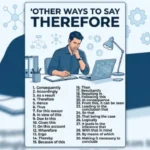
“At the end of the day” is one of the most overused expressions in modern English. It’s a convenient way to summarise a point or state the bottom line, but its overuse has made it a cliché that can weaken your message. Many speakers rely on it as a verbal crutch, especially when transitioning to a conclusion.
Learning alternatives to “at the end of the day” will sharpen your communication, whether you’re writing a business report, giving a presentation, or having a thoughtful conversation. These concluding phrases in English allow you to express finality in English with precision, and they help you avoid repetitive, tired language. By mastering formal and informal summary expressions, you can tailor your tone to any audience and leave a more memorable impression.
Quick Categories
Formal Alternatives
- Ultimately
- In the final analysis
- In conclusion
- To summarise
- In essence
Casual Alternatives
- When all is said and done
- In the long run
- All in all
- At the end of it all
- After everything
Professional Alternatives
- In summary
- To conclude
- On balance
- Taking everything into account
- The bottom line is
Informal Expressions
- When it comes down to it
- In the grand scheme
- At the close of business
- Once all the dust settles
- In the final reckoning
Common Mistakes Section
1. Using it in every conclusion
“At the end of the day, we need more staff. At the end of the day, our budget is tight.” → Repetitive; use alternatives.
2. Using it in formal academic writing
“At the end of the day, the experiment proved the hypothesis.” → Better: “Ultimately, the experiment proved the hypothesis.”
3. Confusing literal and figurative meanings
“At the end of the day, I go home.” → That’s literal; the phrase is usually figurative. Use “At the end of each workday” for literal.
4. Overusing it as a filler
Saying “at the end of the day” multiple times in one speech weakens your argument. Vary your concluding language.
5. Using it when a simpler word works
“At the end of the day, it’s your decision.” → “Ultimately, it’s your decision.” Shorter and clearer.
What Does “At the End of the Day” Mean?
“At the end of the day” is a figurative expression meaning “ultimately,” “when everything is considered,” or “after all is said and done.” It signals that you are drawing a final conclusion or stating the most important point after considering all factors.
Grammar: It functions as a transition phrase or an introductory clause, often placed at the beginning or end of a sentence. It is an adverbial phrase.
Example Sentence: “At the end of the day, what matters most is customer satisfaction.”
When to Use “At the End of the Day”
- Summarising a discussion or debate
- Emphasising the most important takeaway
- Closing a presentation or speech informally
- Everyday conversation with friends or colleagues
- Casual emails or blog posts
Spoken: Very common in casual and business casual speech
Written: Acceptable in informal writing but avoid in formal documents
Formal: Usually too informal and overused
Informal: Perfectly natural
Is It Professional or Polite to Say “At the End of the Day”?
Polite? ✔️ Yes – It’s not rude, just informal
Professional? ❌ No (in most formal contexts) – It’s considered a cliché and lacks sophistication
Business Example: Instead of “At the end of the day, we need to cut costs,” say “Ultimately, we need to cut costs” or “In summary, cost reduction is essential.”
Pros and Cons of Using “At the End of the Day”
Pros
- Familiar and easy to understand
- Creates a natural conversational flow
- Works well in casual business settings
- Signals that you’re wrapping up
Cons
- Overused and clichéd
- Too informal for professional writing
- Can sound lazy or vague
- Lacks the precision of stronger alternatives
Other Ways to Say “At the End of the Day” (With Examples)
These alternatives to “at the end of the day” will help you conclude your thoughts with clarity and style. Choose the phrase that best fits your tone, audience, and context to convey your final point effectively.
Formal Alternatives
1. Phrase: Ultimately
Meaning: In the final analysis; finally
Explanation: The most direct and widely accepted formal synonym
Example Sentence: “Ultimately, our success depends on teamwork.”
Best Use: Formal writing
Worst Use: Very casual chatter
Tone: Professional, concise
Context Variability: Works in all formal contexts from academic papers to executive summaries
2. Phrase: In the final analysis
Meaning: After considering everything
Explanation: Emphasises a thorough evaluation
Example Sentence: “In the final analysis, the project was a net positive for the company.”
Best Use: Analytical reports
Worst Use: Everyday conversation
Tone: Scholarly, deliberate
Context Variability: Ideal for reports, research papers, and strategic reviews
3. Phrase: In conclusion
Meaning: To bring to a close
Explanation: The classic formal transition for endings
Example Sentence: “In conclusion, we recommend proceeding with the merger.”
Best Use: Presentations and essays
Worst Use: Casual chats
Tone: Formal, structured
Context Variability: Perfect for academic and business presentations
4. Phrase: To summarise
Meaning: To give the main points briefly
Explanation: Directly signals a recap
Example Sentence: “To summarise, our key findings show a 20% increase in engagement.”
Best Use: Business reviews
Worst Use: Personal conversations
Tone: Organised, professional
Context Variability: Great for meeting minutes and executive summaries
5. Phrase: In essence
Meaning: In its most fundamental nature
Explanation: Distils the core meaning
Example Sentence: “In essence, the policy aims to reduce waste.”
Best Use: Defining core concepts
Worst Use: Emotional conversations
Tone: Philosophical, refined
Context Variability: Effective in policy documents and mission statements
6. Phrase: On the whole
Meaning: Considering everything
Explanation: Gives a balanced overall view
Example Sentence: “On the whole, the initiative was well received.”
Best Use: Balanced assessments
Worst Use: Urgent decisions
Tone: Measured, impartial
Context Variability: Useful in evaluations and annual reviews
7. Phrase: In the final reckoning
Meaning: When all is counted or judged
Explanation: Implies a decisive judgment
Example Sentence: “In the final reckoning, profits will determine our next move.”
Best Use: Strategic planning
Worst Use: Daily updates
Tone: Decisive, authoritative
Context Variability: Best for board meetings and financial summaries
8. Phrase: When everything is considered
Meaning: Taking all factors into account
Explanation: Emphasises comprehensive thought
Example Sentence: “When everything is considered, we made the right choice.”
Best Use: Reflective evaluations
Worst Use: Quick replies
Tone: Thoughtful, thorough
Context Variability: Works in reflective essays and post-mortem analyses
9. Phrase: In the end
Meaning: Finally; after all
Explanation: Simple, formal enough for most written contexts
Example Sentence: “In the end, quality matters more than quantity.”
Best Use: General formal use
Worst Use: Very strict academic writing
Tone: Neutral, clear
Context Variability: Widely usable across formal and semi-formal settings
10. Phrase: As a final point
Meaning: Introducing the last item
Explanation: Organises your closing argument
Example Sentence: “As a final point, we must address client retention.”
Best Use: Structured speeches
Worst Use: Casual texting
Tone: Organised, professional
Context Variability: Great for bullet-point summaries and presentations
Professional Alternatives
11. Phrase: In summary
Meaning: To give a condensed version
Explanation: A staple in business communication
Example Sentence: “In summary, our Q3 targets are achievable.”
Best Use: Business emails
Worst Use: Personal storytelling
Tone: Professional, succinct
Context Variability: Perfect for memos, reports, and meeting recaps
12. Phrase: To conclude
Meaning: To bring to an end
Explanation: A classic professional transition
Example Sentence: “To conclude, we are confident in our new strategy.”
Best Use: Formal presentations
Worst Use: Friendly chats
Tone: Professional, confident
Context Variability: Excellent for closing arguments and project proposals
13. Phrase: On balance
Meaning: After weighing pros and cons
Explanation: Emphasises a fair judgment
Example Sentence: “On balance, the benefits outweigh the risks.”
Best Use: Decision-making contexts
Worst Use: Emotional moments
Tone: Objective, reasoned
Context Variability: Ideal for risk assessments and feasibility studies
14. Phrase: Taking everything into account
Meaning: Considering all factors
Explanation: Thorough and professional
Example Sentence: “Taking everything into account, we should expand our team.”
Best Use: Strategic recommendations
Worst Use: Quick updates
Tone: Comprehensive, careful
Context Variability: Suitable for board reports and project evaluations
15. Phrase: The bottom line is
Meaning: The most important result or fact
Explanation: Direct and business-like
Example Sentence: “The bottom line is we need to increase revenue.”
Best Use: Business discussions
Worst Use: Academic essays
Tone: Direct, results-oriented
Context Variability: Very common in corporate and financial settings
16. Phrase: In a nutshell
Meaning: In a very concise form
Explanation: Informal but widely accepted in business casual
Example Sentence: “In a nutshell, we’re ahead of schedule.”
Best Use: Quick summaries
Worst Use: Formal reports
Tone: Conversational but professional enough
Context Variability: Good for emails and verbal briefings
17. Phrase: All things considered
Meaning: After weighing all aspects
Explanation: Balanced and thoughtful
Example Sentence: “All things considered, our performance was strong.”
Best Use: Performance reviews
Worst Use: Casual texting
Tone: Reflective, professional
Context Variability: Effective in feedback and appraisal contexts
18. Phrase: To wrap up
Meaning: To finish or conclude
Explanation: Informal but increasingly used in workplaces
Example Sentence: “To wrap up, let’s review the action items.”
Best Use: Team meetings
Worst Use: Formal documentation
Tone: Friendly, collaborative
Context Variability: Great for internal meetings and team huddles
19. Phrase: Finally
Meaning: As a last point
Explanation: Simple and effective, though a bit overused
Example Sentence: “Finally, we must acknowledge our competitors.”
Best Use: Presentations
Worst Use: Emotional stories
Tone: Neutral, clear
Context Variability: Works across many professional contexts
20. Phrase: In closing
Meaning: As we finish
Explanation: Formal but approachable
Example Sentence: “In closing, thank you for your attention.”
Best Use: Speeches and presentations
Worst Use: Casual conversations
Tone: Polite, formal
Context Variability: Perfect for public speaking and formal addresses
Casual & Informal Alternatives
21. Phrase: When all is said and done
Meaning: After everything has happened
Explanation: A more colourful way to say “ultimately”
Example Sentence: “When all is said and done, family is what matters most.”
Best Use: Personal reflections
Worst Use: Formal writing
Tone: Warm, reflective
Context Variability: Great for storytelling and personal conversations
22. Phrase: In the long run
Meaning: Over a long period
Explanation: Focuses on long-term outcomes
Example Sentence: “In the long run, these investments will pay off.”
Best Use: Future-oriented discussions
Worst Use: Immediate decisions
Tone: Forward-looking, casual
Context Variability: Common in both personal and business contexts
23. Phrase: All in all
Meaning: On the whole
Explanation: Very casual and friendly
Example Sentence: “All in all, it was a great trip.”
Best Use: Casual summaries
Worst Use: Professional reports
Tone: Easy-going, conversational
Context Variability: Perfect for social media and personal updates
24. Phrase: At the end of it all
Meaning: After everything is finished
Explanation: A close cousin but less clichéd
Example Sentence: “At the end of it all, we were just happy to be safe.”
Best Use: Emotional conclusions
Worst Use: Business analysis
Tone: Emotive, reflective
Context Variability: Best for personal narratives and heartfelt moments
25. Phrase: After everything
Meaning: Following all events
Explanation: Simple and natural
Example Sentence: “After everything, we still managed to succeed.”
Best Use: Casual conversations
Worst Use: Formal arguments
Tone: Laid-back, sincere
Context Variability: Works well in daily talk
26. Phrase: When it comes down to it
Meaning: In the most basic terms
Explanation: Emphasises the core reality
Example Sentence: “When it comes down to it, we all want the same thing.”
Best Use: Philosophical chats
Worst Use: Academic papers
Tone: Grounded, relatable
Context Variability: Common in friendly debates and discussions
27. Phrase: In the grand scheme
Meaning: Considering the larger picture
Explanation: Puts things in perspective
Example Sentence: “In the grand scheme, this setback is minor.”
Best Use: Perspective-taking
Worst Use: Detail-oriented reports
Tone: Broad, philosophical
Context Variability: Good for motivational conversations and life advice
28. Phrase: Once all the dust settles
Meaning: After the confusion or activity ends
Explanation: A vivid metaphor
Example Sentence: “Once all the dust settles, we’ll see the real impact.”
Best Use: Post-crisis reflection
Worst Use: Routine updates
Tone: Colourful, conversational
Context Variability: Great for news commentary and personal stories
29. Phrase: In the final tally
Meaning: When everything is counted
Explanation: Suggests a summing up of numbers or outcomes
Example Sentence: “In the final tally, we saved over $10,000.”
Best Use: Financial summaries
Worst Use: Emotional conversations
Tone: Numeric, direct
Context Variability: Perfect for budget meetings and sales reports
30. Phrase: At the close of business (literal/figurative)
Meaning: At the end of the working day or when all dealings are done
Explanation: Can be used both literally and figuratively
Example Sentence: “At the close of business, we had met all our targets.”
Best Use: Business wrap-ups
Worst Use: Personal chats
Tone: Professional-casual
Context Variability: Excellent for end-of-day updates and business reports
“Choosing the right concluding phrase adds weight to your final words and leaves a lasting impression.”
Mini Quiz / Self-Check
1. Which alternative is most appropriate for an academic research paper?
- A) When all is said and done
- B) In the final analysis
- C) At the end of it all
- D) When it comes down to it
Answer: B – “In the final analysis” is formal and academic.
2. You’re finishing a team meeting and want a professional but friendly summary. Which is best?
- A) Ultimately
- B) To wrap up
- C) In essence
- D) Once all the dust settles
Answer: B – “To wrap up” is professional yet friendly for internal meetings.
3. Your friend is telling you a long story. Which phrase would you use to ask for the main point?
- A) In conclusion
- B) The bottom line is
- C) In summary
- D) All in all
Answer: B – “The bottom line is” is commonly used to ask for the main takeaway in casual conversation.
4. Which phrase is too informal for a formal proposal?
- A) On the whole
- B) In summary
- C) Once all the dust settles
- D) Taking everything into account
Answer: C – The metaphor is too informal for a formal proposal.
Comparison Table: Top 10 Alternatives
| Phrase | Tone | Best Use |
|---|---|---|
| Ultimately | Formal | Academic & business writing |
| In the final analysis | Formal | Research & reports |
| In summary | Professional | Business emails & meetings |
| To conclude | Professional | Presentations |
| On balance | Professional | Decision-making |
| The bottom line is | Professional-casual | Business discussions |
| When all is said and done | Casual | Personal reflections |
| All in all | Casual | Social conversations |
| In the long run | Casual | Future planning |
| In a nutshell | Professional-casual | Quick summaries |
FAQs
Is “at the end of the day” considered a cliché?
Yes, it is one of the most overused phrases in English. Many style guides advise against using it in professional writing because of its lack of originality.
What is the best formal alternative?
“Ultimately” is the most direct and widely accepted formal alternative. It is concise, professional, and suitable for almost any formal context.
Can I use “at the end of the day” in a job interview?
It’s acceptable in a casual or conversational interview, but if the interview is formal, opt for “ultimately” or “in summary” to sound more polished.
What’s the difference between “at the end of the day” and “in the end”?
“In the end” often refers to a final outcome after a series of events, while “at the end of the day” is more about a final conclusion after considering all factors. They are often interchangeable, but “in the end” is slightly more formal.
How can I avoid overusing this phrase?
Make a conscious effort to rotate among the alternatives listed above. Also, try to vary sentence structure—sometimes you don’t need a concluding phrase at all; just state your final point directly.
Conclusion
Mastering alternatives to “at the end of the day” will immediately elevate the quality of your English, whether you speak it casually or professionally. By replacing this tired cliché with more precise and varied expressions, you demonstrate stronger vocabulary and greater communication awareness. Your listeners and readers will appreciate the clarity and freshness of your language.
Start practicing today pick three alternatives from this list and use them in your next conversation or email. Over time, you’ll naturally choose the perfect phrase for every context, and your English will sound more fluent, confident, and polished.