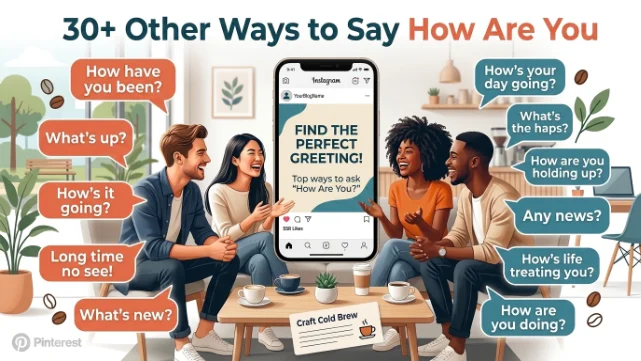
Replace repetitive “How are you?” with phrases like “How have you been?”, “What’s new with you?”, “How are things going?”, “How’s your day going?”, and “What’s happening?” to sound more natural and engaging in English conversations.
“How are you?” is one of the most common greetings in English, but using it repeatedly can make your conversations sound robotic and uninspired. Whether you’re starting a professional email, greeting a colleague, or catching up with a friend, knowing alternatives to “how are you” helps you sound more fluent, natural, and culturally aware.
Learning other ways to say “how are you” not only improves your conversational skills but also helps you express excitement in English and build stronger connections with others. This guide provides 30 powerful alternatives categorized by formality and context, so you can greet anyone with confidence and variety.
Quick Categories
Formal Alternatives to “How Are You?”
- How have you been?
- How are things with you?
- How are you doing today?
- I hope this message finds you well
- How is everything progressing?
Professional Alternatives
- How are things going at work?
- How’s business?
- How are you settling in?
- What’s the latest on your end?
- How are your projects coming along?
Casual Alternatives
- What’s up?
- How’s it going?
- What’s new?
- How are things?
- What’s happening?
Informal & Friendly Expressions
- How’s life?
- How’s everything?
- What’s the good word?
- How’s your day?
- Long time no see! How are you?
Common Mistakes Using “How Are You?”
- Using it as a literal question every time
- ❌ “How are you?” “I’m fine, thank you. And you?” (repeating the same robotic exchange)
- ✅ “How are you?” “I’m doing well, thanks for asking!” (vary your responses)
- Not changing your greeting based on context
- ❌ Using “What’s up?” in a formal job interview
- ✅ “It’s a pleasure to meet you. How are you today?” (appropriate for formal settings)
- Asking without listening to the answer
- ❌ “How are you?” then walking away without waiting for a response
- ✅ Always wait for a brief response to show genuine interest
- Using the same greeting for everyone
- ❌ “How’s it going?” to your elderly boss
- ✅ “Good morning, Mr. Johnson. How are you today?” (respectful and appropriate)
- Forgetting to return the question
- ❌ “I’m great, thanks!” (ending the exchange)
- ✅ “I’m great, thanks! How about you?” (showing mutual interest)
What Does “How Are You?” Mean?
“How are you?” is a standard English greeting used to inquire about someone’s well-being. In many English-speaking cultures, it functions more as a social ritual than a genuine inquiry, though the intent varies based on context and relationship.
Example Sentence: “How are you? I haven’t seen you in weeks!”
Grammar Note: This is a present simple question using the verb “to be.” The standard response often includes “I’m fine, thank you” or a more detailed answer depending on the relationship.
When to Use “How Are You?”
- Casual encounters with friends, family, and acquaintances
- Professional settings as a polite conversation starter
- Customer service to create a friendly atmosphere
- Written communication like emails and messages
- First meetings to establish rapport
- Social gatherings to engage in small talk
Spoken vs Written: Very common in spoken English; in written English, variations like “I hope this message finds you well” are more appropriate.
Formal vs Informal: Acceptable in both, but formal contexts often use more sophisticated alternatives.
Is It Professional or Polite to Say “How Are You?”
“How are you?” is generally polite and acceptable in most situations, but its overuse can make it feel insincere. Professional settings often benefit from more specific or meaningful alternatives.
Politeness: ✔️ Yes – It’s a standard polite greeting in most English-speaking cultures.
Professionalism: ⚠️ Use with caution – While acceptable, more specific questions show genuine interest and professionalism.
Business Example: Instead of “How are you?” in a professional email, try “I hope you’re having a productive week.”
Pros and Cons of Using “How Are You?”
Pros
- Universally understood – Recognized in all English-speaking cultures
- Simple and natural – Easy for beginners and advanced speakers alike
- Politically neutral – Safe greeting for any situation
- Effective icebreaker – Opens the door to conversation
Cons
- Often insincere – People rarely give honest answers
- Formulaic – Can sound robotic and unoriginal
- Limited emotional depth – Doesn’t convey genuine interest
- Too casual for some contexts – May not suit very formal occasions
Other Ways to Say “How Are You?” (With Examples)
These alternatives will help you sound more fluent, confident, and natural in different situations. Use them according to tone, context, and audience to create meaningful connections and show genuine interest.
Formal & Professional Alternatives
1. Phrase: How have you been?
- Meaning: Asking about someone’s general well-being since you last met
- Explanation: Implies you remember the person and care about their life
- Example Sentence: “How have you been? It’s been ages since our last meeting!”
- Best Use: Reconnecting with contacts
- Worst Use: First-time meetings
- Tone: Warm, personal
- Context Variability: Professional/Spoken – excellent for catching up
2. Phrase: How are things with you?
- Meaning: Broad inquiry about someone’s general situation
- Explanation: Less direct and more relaxed than “How are you?”
- Example Sentence: “How are things with you? I hope everything’s going well.”
- Best Use: Professional check-ins
- Worst Use: Formal written correspondence
- Tone: Friendly, professional
- Context Variability: Professional/Spoken – great for colleagues
3. Phrase: How are you doing today?
- Meaning: Asking about someone’s current state
- Explanation: A slightly more formal version of “How are you?”
- Example Sentence: “How are you doing today? I appreciate you taking the time to meet.”
- Best Use: Professional meetings
- Worst Use: Very casual settings
- Tone: Professional, respectful
- Context Variability: Professional – excellent for business contexts
4. Phrase: I hope this message finds you well
- Meaning: Wishing someone is doing well
- Explanation: Common formal email opening
- Example Sentence: “I hope this message finds you well. I’m writing to follow up on our recent discussion.”
- Best Use: Formal emails
- Worst Use: Spoken conversation
- Tone: Formal, courteous
- Context Variability: Written – standard for professional correspondence
5. Phrase: How is everything progressing?
- Meaning: Asking about work or project updates
- Explanation: Focused on specific situations rather than general well-being
- Example Sentence: “How is everything progressing on the Q4 marketing campaign?”
- Best Use: Project updates
- Worst Use: Casual social conversation
- Tone: Professional, focused
- Context Variability: Professional – perfect for work contexts
6. Phrase: How are things going at work?
- Meaning: Asking specifically about someone’s professional life
- Explanation: Shows interest in their career
- Example Sentence: “How are things going at work? I heard you’re leading the new initiative.”
- Best Use: Professional acquaintances
- Worst Use: Unemployed individuals
- Tone: Professional, interested
- Context Variability: Professional – great for networking
7. Phrase: How’s business?
- Meaning: Asking about someone’s professional or commercial activities
- Explanation: Common in entrepreneurial and business contexts
- Example Sentence: “How’s business? I saw your company made the news recently.”
- Best Use: Business contexts
- Worst Use: Non-business relationships
- Tone: Professional, transactional
- Context Variability: Professional – common in business communities
8. Phrase: How are you settling in?
- Meaning: Asking about someone’s adjustment to a new place or role
- Explanation: Shows awareness of life changes
- Example Sentence: “How are you settling in? We’re so glad to have you on the team.”
- Best Use: Welcoming new people
- Worst Use: Long-term colleagues
- Tone: Warm, welcoming
- Context Variability: Professional – ideal for new employees
9. Phrase: What’s the latest on your end?
- Meaning: Asking for updates about someone’s situation
- Explanation: Friendly and professional
- Example Sentence: “What’s the latest on your end? I’d love to hear how the project is going.”
- Best Use: Checking in on projects
- Worst Use: Very formal contexts
- Tone: Professional, engaged
- Context Variability: Professional/Written – great for emails
10. Phrase: How are your projects coming along?
- Meaning: Specific inquiry about work progress
- Explanation: Shows detailed interest in someone’s work
- Example Sentence: “How are your projects coming along? Let me know if you need any support.”
- Best Use: Team check-ins
- Worst Use: Casual social settings
- Tone: Professional, supportive
- Context Variability: Professional – excellent for managers
“The best greetings show genuine curiosity, not just social obligation.”
Casual & Friendly Alternatives
11. Phrase: What’s up?
- Meaning: Casual greeting meaning “What’s happening?”
- Explanation: Very common among friends and younger people
- Example Sentence: “Hey! What’s up? I haven’t seen you in ages.”
- Best Use: Friends and peers
- Worst Use: Formal or professional settings
- Tone: Casual, friendly
- Context Variability: Casual – very common
12. Phrase: How’s it going?
- Meaning: Asking about someone’s general state
- Explanation: One of the most common casual greetings
- Example Sentence: “How’s it going? You look great today!”
- Best Use: Everyday interactions
- Worst Use: Formal writing
- Tone: Casual, friendly
- Context Variability: Casual/Professional – versatile
13. Phrase: What’s new?
- Meaning: Asking about recent developments or news
- Explanation: Invites sharing of updates
- Example Sentence: “What’s new with you? Anything exciting happening?”
- Best Use: Catching up with friends
- Worst Use: Professional meetings
- Tone: Friendly, open
- Context Variability: Casual – common among acquaintances
14. Phrase: How are things?
- Meaning: General question about someone’s life
- Explanation: Simple and straightforward
- Example Sentence: “How are things? It’s been a while since we caught up.”
- Best Use: Casual conversations
- Worst Use: Formal written communication
- Tone: Friendly, neutral
- Context Variability: Casual/Professional – adaptable
15. Phrase: What’s happening?
- Meaning: Casual inquiry about current activities
- Explanation: Popular in informal settings
- Example Sentence: “What’s happening this weekend? Any plans?”
- Best Use: Social invitations
- Worst Use: Professional contexts
- Tone: Excited, engaged
- Context Variability: Casual – great for social settings
16. Phrase: How’s life?
- Meaning: Asking about someone’s general life situation
- Explanation: Warm and personal
- Example Sentence: “How’s life treating you these days?”
- Best Use: Close friends and family
- Worst Use: Professional settings
- Tone: Personal, caring
- Context Variability: Casual – intimate and warm
17. Phrase: How’s everything?
- Meaning: Asking about all aspects of someone’s life
- Explanation: Comprehensive and caring
- Example Sentence: “How’s everything? I’ve been thinking about you.”
- Best Use: Checking in on someone
- Worst Use: Professional introductions
- Tone: Caring, comprehensive
- Context Variability: Casual – excellent for friends
18. Phrase: What’s the good word?
- Meaning: Asking for positive news
- Explanation: Idiomatic and optimistic
- Example Sentence: “What’s the good word? Anything exciting to share?”
- Best Use: Positive conversations
- Worst Use: Serious or professional contexts
- Tone: Optimistic, cheerful
- Context Variability: Casual – great for lifting moods
19. Phrase: How’s your day?
- Meaning: Focusing on someone’s current day
- Explanation: Immediate and present-focused
- Example Sentence: “How’s your day going so far?”
- Best Use: Daytime interactions
- Worst Use: Evening conversations
- Tone: Present, engaged
- Context Variability: Casual/Professional – versatile
20. Phrase: Long time no see! How are you?
- Meaning: Greeting someone you haven’t seen in a while
- Explanation: Combines recognition with well-being inquiry
- Example Sentence: “Long time no see! How are you? You haven’t changed a bit!”
- Best Use: Reunions
- Worst Use: Daily interactions
- Tone: Warm, excited
- Context Variability: Casual – perfect for reunions
“A thoughtful greeting can turn a stranger into a connection.”
Creative & Unique Alternatives
21. Phrase: How have you been keeping?
- Meaning: Asking how someone has been maintaining their well-being
- Explanation: Slightly more formal and poetic than “How have you been?”
- Example Sentence: “How have you been keeping? I hope life has been kind to you.”
- Best Use: Thoughtful check-ins
- Worst Use: Very casual conversations
- Tone: Caring, reflective
- Context Variability: Professional/Spoken – elegant and warm
22. Phrase: What’s been going on?
- Meaning: Asking about events in someone’s life
- Explanation: Invites storytelling
- Example Sentence: “What’s been going on since we last spoke?”
- Best Use: Reconnecting conversations
- Worst Use: Quick greetings
- Tone: Curious, open
- Context Variability: Casual/Professional – excellent for catch-ups
23. Phrase: How are you feeling today?
- Meaning: Asking about someone’s emotional or physical state
- Explanation: Empathetic and caring
- Example Sentence: “How are you feeling today? You seemed tired yesterday.”
- Best Use: Showing concern
- Worst Use: Very formal settings
- Tone: Empathetic, caring
- Context Variability: Casual/Professional – thoughtful and considerate
24. Phrase: What’s keeping you busy these days?
- Meaning: Asking about current activities and projects
- Explanation: Focused on current engagements
- Example Sentence: “What’s keeping you busy these days? I heard you’ve been working on something interesting.”
- Best Use: Professional networking
- Worst Use: Quick greetings
- Tone: Professional, engaged
- Context Variability: Professional – great for networking
25. Phrase: How’s the world treating you?
- Meaning: Idiomatic way to ask about someone’s life
- Explanation: Slightly philosophical and warm
- Example Sentence: “How’s the world treating you these days? I hope things are going well.”
- Best Use: Friends and family
- Worst Use: Professional contexts
- Tone: Warm, philosophical
- Context Variability: Casual – thoughtful and caring
26. Phrase: What’s on your plate today?
- Meaning: Asking about someone’s schedule or tasks
- Explanation: Idiomatic and focused on daily activities
- Example Sentence: “What’s on your plate today? I could use some help with the proposal.”
- Best Use: Team collaboration
- Worst Use: Social conversations
- Tone: Professional, practical
- Context Variability: Professional – excellent for teams
27. Phrase: How are things coming along?
- Meaning: Asking about progress on specific matters
- Explanation: Focused and supportive
- Example Sentence: “How are things coming along with the new website?”
- Best Use: Project updates
- Worst Use: Social greetings
- Tone: Professional, supportive
- Context Variability: Professional – perfect for work contexts
28. Phrase: Is everything going well?
- Meaning: Checking if someone is having difficulties
- Explanation: Shows concern and offers support
- Example Sentence: “Is everything going well? Let me know if you need anything.”
- Best Use: Professional support
- Worst Use: Very casual settings
- Tone: Caring, supportive
- Context Variability: Professional/Spoken – excellent for managers
29. Phrase: How’s life on your end?
- Meaning: Asking about someone’s life situation
- Explanation: Friendly and inclusive
- Example Sentence: “How’s life on your end? I’d love to hear what you’ve been up to.”
- Best Use: Catching up
- Worst Use: Formal writing
- Tone: Friendly, engaged
- Context Variability: Casual/Professional – versatile
30. Phrase: How’s the day treating you?
- Meaning: Asking about someone’s experience of the current day
- Explanation: Present-focused and engaging
- Example Sentence: “How’s the day treating you? Made any progress on the report?”
- Best Use: Daily check-ins
- Worst Use: Evening conversations
- Tone: Friendly, engaged
- Context Variability: Professional/Spoken – great for colleague interactions
“Variety in greetings shows cultural awareness and emotional intelligence.”
Mini Quiz / Self-Check
Question 1: You’re writing a formal email to a client you’ve never met. Which phrase is most appropriate?
- A) What’s up?
- B) I hope this message finds you well
- C) How’s it going?
Answer: B – “I hope this message finds you well” is the most appropriate for formal client communication.
Question 2: You’re greeting a close friend you haven’t seen in months. Which phrase feels most natural?
- A) How are you doing today?
- B) Long time no see! How are you?
- C) How is everything progressing?
Answer: B – “Long time no see! How are you?” is perfect for reunions with friends.
Question 3: Which alternative is LEAST appropriate for a professional meeting with your boss?
- A) How have you been?
- B) What’s up?
- C) How are you doing today?
Answer: B – “What’s up?” is too casual for a professional meeting with your boss.
Question 4: You notice a colleague looks tired or stressed. Which phrase shows appropriate concern?
- A) How’s it going?
- B) How are you feeling today?
- C) What’s new?
Answer: B – “How are you feeling today?” shows specific concern and empathy.
Comparison Table: Top 10 Alternatives
| Phrase | Tone | Best Use |
|---|---|---|
| I hope this message finds you well | Formal, courteous | Professional emails |
| How have you been? | Warm, personal | Reconnecting with contacts |
| How’s it going? | Casual, friendly | Everyday interactions |
| What’s up? | Casual, modern | Friends and peers |
| How are things going at work? | Professional, engaged | Colleague check-ins |
| How are you settling in? | Warm, welcoming | Welcoming new employees |
| What’s the latest on your end? | Professional, engaged | Project updates |
| Long time no see! | Warm, excited | Reunions |
| How are you feeling today? | Empathetic, caring | Showing concern |
| What’s on your plate today? | Professional, practical | Team collaboration |
FAQs
1. Is it rude to say “How are you?” to someone you don’t know?
No, “How are you?” is a standard polite greeting in English-speaking cultures, even with strangers. However, it’s often used as a social ritual rather than a genuine question, so don’t be surprised if the other person gives a brief response like “Fine, thank you.”
2. What’s the best response to “How are you?”?
The best response depends on your relationship with the person. With friends, be honest and detailed. With strangers or professional contacts, keep it brief and positive: “I’m doing well, thank you. And you?” or “Fine, thanks for asking!”
3. Why do English speakers say “How are you?” without expecting a real answer?
In many English-speaking cultures, “How are you?” functions as a social greeting rather than a genuine question about well-being. It’s a way to acknowledge someone and show politeness without delving into personal details.
4. How can I make “How are you?” sound more genuine?
To sound more genuine, use specific alternatives like “How have you been?” or “How are you feeling today?” and actually wait for the response. Make eye contact and show you’re listening to the answer.
5. Should I use these alternatives in job interviews?
Yes, but choose carefully! Formal alternatives like “How are you doing today?” or “How have you been?” are appropriate. Avoid casual alternatives like “What’s up?” or “How’s it going?” in job interviews.
6. What’s the difference between “How are you?” and “How are you doing?”
“How are you?” is slightly more formal and traditional, while “How are you doing?” is a bit more casual and friendly. Both are acceptable in most situations, but “How are you?” is preferred in very formal contexts.
7. Can I use these alternatives in writing?
Yes, but match the formality to the medium. Formal alternatives like “I hope this message finds you well” are excellent for emails. Casual alternatives are better for text messages and social media.
Conclusion
Mastering different ways to say “how are you” is a simple yet powerful way to improve your English communication skills. Whether you’re in a professional meeting, catching up with friends, or writing an important email, having a variety of greetings at your disposal helps you connect more meaningfully with others.
Start practicing these 30 alternatives today. Try using a new phrase each day, and pay attention to the responses you receive. You’ll find that people often respond more openly and warmly when you show genuine interest through varied and thoughtful greetings. Remember, the goal isn’t to sound fancy it’s to connect authentically with the people around you.